Source Maintenance Free Starting Battery for Cars Buses Trucks
Find and compare 30 maintenance free starting battery options from verified Chinese suppliers. Buyers can evaluate models like N150 and MF DIN75 based on voltage, dimensions, and certification standards for automotive and industrial applications.
Key considerations
Products List






Comprehensive Sourcing Guide
Strategic Sourcing Guide for Maintenance-Free Starting Batteries
Understanding the Technical Landscape of Starting Batteries
The procurement of maintenance-free starting batteries requires a precise understanding of the underlying electrochemical architecture and operational parameters. These units are distinct from deep-cycle or stationary storage batteries, as their primary function is to deliver high current for a short duration to initiate engine combustion. The supplied product data indicates a diverse range of configurations, including Lead-Acid Batteries that utilize an Acid Electrolyte. Buyers must recognize that while the core chemistry often remains consistent, the specific implementation varies significantly based on the intended vehicle class.
A critical observation in the current market data is the variation in rated voltage and working voltage ranges. While some units are specified with a Rated Voltage of 12V, others in the catalog show a Working Voltage range of 1.5V1.1V or a Nominal Voltage of 6V. This discrepancy suggests that the market offers both standard automotive 12V systems and specialized 6V applications, or potentially different stages of discharge within the same product family. Furthermore, the charging characteristics are defined by specific voltage windows. Data points indicate a Charging Voltage range of 2.25V2.5V for certain models, while others list 1.45V~1.5V. These figures likely correspond to per-cell charging requirements rather than total pack voltage, a distinction that is vital for selecting compatible charging infrastructure.
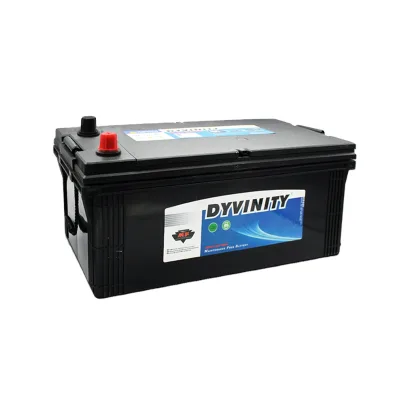
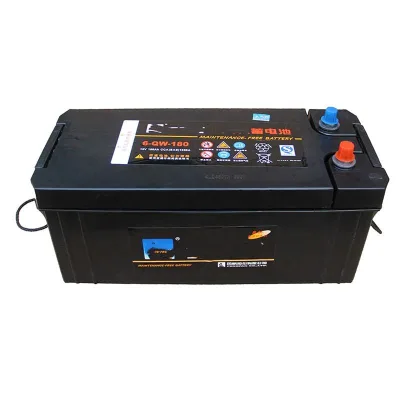
The physical dimensions of these batteries are equally critical for integration. The product specifications reveal a wide spectrum of standard sizes. For instance, one model, designated N150, has dimensions of 511 x 220 x 228mm, suitable for heavy-duty applications. In contrast, the MF DIN75 model measures 273 x 175 x 190mm, and the MF N70 is sized at 308 x 201 x 230 mm. Smaller units, such as the RL-12V 7AH, are compact at 151 x 65 x 101 mm. Procurement teams must verify that the physical footprint of the selected unit aligns perfectly with the vehicle's battery tray and terminal placement to avoid costly retrofits or installation failures.
Compliance and Certification Verification Protocols
In the global supply chain for automotive components, certification is not merely a formality but a prerequisite for market entry and liability protection. The observed product attributes list several key certifications, including ISORoHS, CE, and ISOCE. These designations indicate adherence to international standards regarding hazardous substance restrictions and electrical safety. However, buyers must exercise caution and verify the specific scope of these certifications for each individual batch or model, as "ISOCE" appears as a composite or specific regional designation in the data, distinct from the widely recognized ISO 9001:2008 standard which is mentioned in background context but requires specific verification for the current product line.
The product standards referenced in the data include JIS (Japanese Industrial Standards), DIN (Deutsches Institut für Normung), IEC (International Electrotechnical Commission), and BCI (Battery Council International). The presence of these standards suggests that the manufacturers are producing batteries that conform to major global automotive benchmarks. When sourcing, buyers should request documentation proving that the specific model number, such as the 31S-950 or NP4-6, meets the specific version of these standards required by the destination market. For example, if the target market is North America, BCI compliance is often mandatory, whereas European markets may prioritize DIN or IEC standards.
Additionally, the "Maintenance-free Type" attribute implies a sealed design that prevents water loss, a feature that is often linked to specific safety and environmental certifications. Buyers should confirm that the "Maintenance-free" claim is backed by the relevant safety standards regarding gas recombination and pressure relief mechanisms. The data also notes "ISOCE" and "ISORoHS," which suggests compliance with environmental directives regarding lead and acid containment. It is essential to ensure that the supplier can provide valid, up-to-date certificates for these claims, as regulatory landscapes regarding battery disposal and hazardous materials are increasingly stringent.
Cost Drivers and Economic Factors in Procurement
The pricing structure for maintenance-free starting batteries is influenced by a complex interplay of material costs, manufacturing complexity, and logistical variables. The observed price range in the market spans from 0.78 USD to 120 USD, a variance that reflects the vast difference in capacity, size, and application between a small 7Ah unit and a heavy-duty truck battery. The lower end of the spectrum likely corresponds to smaller, lighter units such as the 2.1kg or 0.69kg models, while the higher end represents heavy-duty units with high Cold Cranking Amps (CCA), such as the model with a CCA of 950 and a weight of 24.5kg.
Minimum Order Quantity (MOQ) is another significant cost driver. The data indicates an MOQ range of 1 to 2000 units. For buyers with small-scale requirements or those testing new product lines, the ability to order single units or small batches is advantageous, though it may come with a higher unit cost. Conversely, large-scale procurement can leverage the lower end of the price spectrum by meeting higher MOQ thresholds. The packaging details, ranging from "10PCS/Box" to "Cartons, Pallets" and "Paper Carton with Wooden Pallet," also impact the total landed cost. Bulk packaging on wooden pallets reduces handling costs per unit but increases the initial investment and storage requirements.
The origin of the product, specifically Guangdong, China, and general China origins, suggests a supply chain that benefits from established manufacturing ecosystems and economies of scale. However, buyers must factor in logistics costs, which can fluctuate based on global shipping rates and the weight of the product. The weight of the batteries, ranging from 0.69kg to 24.5kg, directly influences freight charges. Heavy units like the 24.5kg model will incur significantly higher shipping costs compared to the lightweight 2.1kg variants. Therefore, a comprehensive cost analysis must include not just the unit price but also the total cost of ownership, including freight, insurance, and potential tariffs.
Typical Applications and Performance Matching
The versatility of maintenance-free starting batteries is evident in the diverse "Used for" and "Usage" categories listed in the product data. The primary applications include Cars, Buses, and Trucks, which aligns with the high CCA requirements and robust construction of the larger units. For instance, the model with a CCA of 950 is explicitly designed for heavy-duty use in cars, buses, and trucks, ensuring reliable starting in demanding conditions. However, the data also highlights a broader range of applications, including Boats, UPS systems, Lighting, Electric Bicycles, and Electric Power.
This wide applicability suggests that the market offers specialized variants optimized for different environments. For marine applications, the "Maintenance-free" aspect is particularly valuable due to the reduced risk of acid leakage and the need for minimal upkeep in salt-spray environments. Similarly, for UPS and lighting applications, the "Low Discharge Rate" attribute noted in the data is crucial, indicating that these batteries are designed to maintain a charge over extended periods without significant self-discharge. The "Wet Shelf Life" varies from 23 years to 58 years, which is a critical factor for inventory management and long-term storage strategies.
Buyers must carefully match the battery specifications to the specific application requirements. A battery designed for a car engine, with a high discharge rate and high CCA, may not be suitable for a UPS system that requires a steady, low discharge rate over time. Conversely, a deep-cycle battery might not provide the instantaneous power needed for a truck engine. The "Rechargeable" attribute is listed as "Chargeable" for most units, but one entry specifies "No," indicating that some products in the catalog may be primary cells or have specific usage constraints. Verifying the rechargeability and discharge characteristics is essential to prevent premature failure in the field.
Supplier Evaluation and Quality Assurance
Evaluating suppliers for maintenance-free starting batteries requires a rigorous assessment of their production capabilities and quality control measures. The data indicates that customization is available, a feature that allows buyers to tailor products to specific branding or technical requirements. However, the availability of customization does not guarantee quality; it necessitates a deeper dive into the supplier's manufacturing processes. Buyers should verify the supplier's ability to maintain consistent quality across different production runs, especially given the wide range of models and specifications available.
Quality control should focus on the consistency of critical attributes such as the "Type" (Maintenance-free), "Electrolyte" (Acid), and "Shape" (Square Battery). The "Installation" method is listed as "Fixed," which implies a specific mounting requirement that must be adhered to during production and assembly. Suppliers should demonstrate a robust testing regimen that validates the "Wet Shelf Life" and "Battery Span Life" claims. The data mentions span lives ranging from 2-3 years to 5-8 years, and buyers should request test reports that substantiate these figures under various operating conditions.
Furthermore, the "Standard" attributes, including JIS, DIN, IEC, and BCI, should be verified through third-party audits or on-site inspections. A reputable supplier will have a transparent quality management system that aligns with these international standards. The "Certification" of ISORoHS and CE should be supported by valid documentation that covers the specific product models being procured. Buyers should also assess the supplier's logistics capabilities, as the "prod_packing" details (Cartons, Pallets, Standard Industrial Package) indicate the need for secure and efficient shipping methods to prevent damage during transit.
Long-Term Procurement and Lifecycle Management
Sourcing maintenance-free starting batteries is not a one-time transaction but a long-term partnership that requires strategic planning for lifecycle management. The "Wet Shelf Life" of 23 years or 58 years is a critical factor in inventory planning. Buyers must implement a first-in, first-out (FIFO) inventory system to ensure that batteries are used before their shelf life expires. This is particularly important for the 5~8 year shelf life models, which may be intended for long-term storage or emergency backup applications.
The "Rechargeable" nature of these batteries also implies a need for ongoing maintenance and monitoring. Even though they are "Maintenance-free" in terms of water addition, they still require periodic voltage checks and charging to prevent sulfation and capacity loss. Buyers should consider the availability of charging equipment and the technical expertise required to maintain these batteries in the field. The "Charging Type" (Constant Voltage) and "Discharging Type" (Constant Current) specifications indicate the need for compatible charging systems that can manage these specific electrical profiles.
Finally, the environmental impact of lead-acid batteries must be addressed in the procurement strategy. The "Electrolyte: Acid" and "Type: Lead-Acid Batteries" attributes highlight the need for proper disposal and recycling protocols. Buyers should ensure that their suppliers have established recycling programs or partnerships with certified recyclers to handle end-of-life batteries. This not only complies with environmental regulations but also supports the sustainability goals of the organization. By integrating these long-term considerations into the procurement process, buyers can ensure a reliable supply of high-quality maintenance-free starting batteries that meet both current and future operational needs.
FAQs
What certifications do maintenance free starting batteries have?
These batteries typically carry ISORoHS, CE, and ISOCE certifications. Buyers must verify that specific models like N150 or 31S-950 hold valid documentation for these standards before purchase.
Which specifications define the physical size of these batteries?
Dimensions vary by model, such as 511 x 220 x 228mm for the N150 or 273 x 175 x 190mm for the MF DIN75. Procurement teams must match these exact measurements to vehicle battery trays.
How long is the wet shelf life of these units?
The wet shelf life ranges from 2 to 3 years for some models and up to 5 to 8 years for others. Inventory management requires a first-in, first-out system to prevent expiration.
Can these batteries be customized for specific branding needs?
Customization is available for maintenance free starting batteries. Buyers should confirm technical feasibility and minimum order quantities with suppliers before requesting branded modifications or specific packaging details.
What is the rated voltage for standard automotive applications?
The rated voltage is commonly 12V for car, bus, and truck applications. Some specialized units may operate at 6V, so users must check the nominal voltage against their vehicle's electrical system.
Which suppliers offer these batteries from Guangdong, China?
Products originate from locations including Guangdong, China. Buyers should request specific factory addresses and verify production capabilities when sourcing from this region for quality assurance.
What is the minimum order quantity for these batteries?
The minimum order quantity ranges from 1 to 2000 units depending on the supplier. Smaller orders may have higher unit costs, while bulk purchases leverage lower pricing tiers.